

In heavy-duty belt conveyor systems, support structures are often regarded as purely structural components. However, under actual operating conditions, they are frequently exposed to higher levels of corrosion risk, structural loading, and operational vibration than many core functional components. Once severe corrosion occurs, it can significantly reduce the overall stability of the idler system and may lead to structural deformation, idler failure, or even operational risks across the entire conveyor line. Therefore, under heavy-duty operating conditions, selecting an appropriate corrosion protection method for conveyor structures is a critical aspect of reliable system design.
Hot-dip galvanizing (HDG), as a mature and widely applied corrosion protection solution for steel structures, has been extensively used in the manufacture of conveyor frames and supports for mining, ports, power plants, and large bulk material handling systems. Its popularity is primarily attributed to its excellent corrosion resistance, consistent process quality, and significant advantages in life-cycle cost performance.
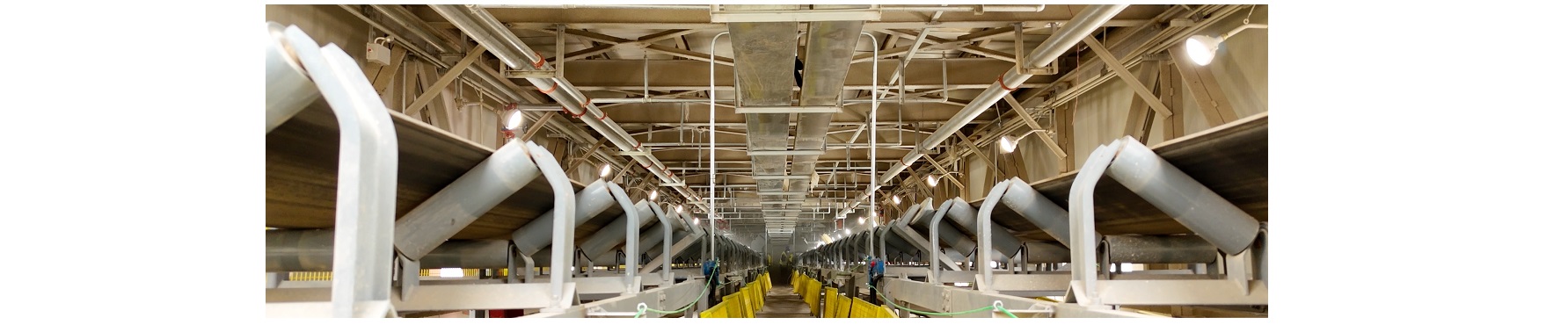
From a practical application perspective, heavy-duty conveyor structures are typically installed in outdoor or semi-outdoor environments, where they are directly exposed to high humidity, rainfall, dust, mud, and, in some cases, industrial corrosive media. In typical scenarios such as open-pit mines and port terminals, the atmosphere often contains salt or corrosive particles. Without adequate protection, ordinary carbon steel structures are highly susceptible to uniform corrosion and localized pitting. Moreover, conveyor systems usually span long distances with large structural footprints, where maintenance access is limited. Under such conditions, frequent corrosion repair is not only costly but also difficult to implement in practice.
In terms of load-bearing performance, conveyor structures must withstand not only the static loads from idlers and conveyed material but also continuous vibration and cyclic impact generated during belt operation. If the protective coating has insufficient adhesion, it may crack or peel under vibration, accelerating corrosion of the base material and creating potential structural safety hazards. In mining and stockyard environments, repeated exposure to dust, mud, and rainwater further shortens the effective service life of conventional painted or powder-coated systems.
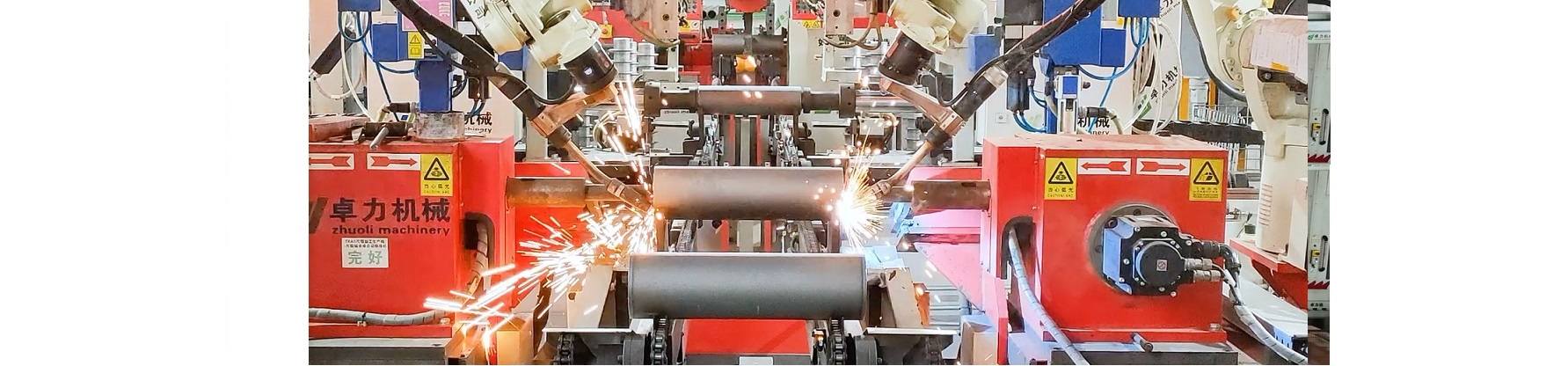
To address these demanding operating conditions, hot-dip galvanized structures demonstrate clear engineering advantages. The HDG process forms a dense zinc–iron alloy layer on the steel surface through a metallurgical reaction between the steel and molten zinc. This protective layer offers stable and uniform thickness and provides complete coverage of weld seams, inner corners, and bolt holes—areas that are often difficult to protect effectively using conventional coating methods. As a result, HDG is particularly suitable for idler frames with complex geometries and extensive welded joints.
In long-term atmospheric exposure, the zinc coating gradually forms a stable layer of basic zinc carbonate, which significantly reduces the corrosion rate. This allows hot-dip galvanized structures to maintain long maintenance-free service periods even in moderate to severe corrosive environments. In addition, because the coating is metallurgically bonded to the steel substrate, its resistance to vibration and mechanical impact is substantially superior to that of conventional surface coatings, making it well suited for heavy-load, continuous-operation belt conveyor systems.
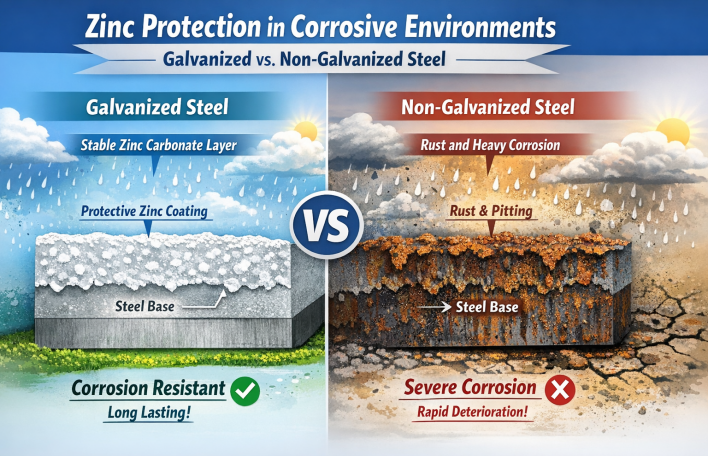
From an economic standpoint, although hot-dip galvanizing typically involves a higher initial manufacturing cost compared to standard painting, it can substantially reduce maintenance, replacement, and downtime costs caused by corrosion over the entire service life of the system. For conveyor projects with long operating hours, limited maintenance windows, or high requirements for operational stability, hot-dip galvanized structures often represent a more cost-effective long-term solution.
Based on extensive engineering experience, in applications such as open-pit mining conveyor systems, port bulk handling lines, long-distance conveyors in high-humidity or coastal regions, and critical production lines with strict reliability and service-life requirements, hot-dip galvanized conveyor structures achieve a more balanced combination of corrosion resistance, structural stability, and life-cycle cost performance.
For heavy-duty belt conveyors, structural frames are not merely auxiliary components but essential foundation elements that ensure long-term safe and reliable operation. By selecting hot-dip galvanizing as the corrosion protection method at the design stage, the service life of the structure can be significantly extended, providing robust support for the stable and efficient operation of the entire conveyor system.

Contact: Export Department
Phone: +86 15097752737
Tel: +86 0312 5308005
Company: Baoding Zhuoli Machinery Co.,Ltd
Add: 3934 Tower3,Weilaishi building,Xiongan New Area.Baoding city,China