What is the best material strategy for idler shafts located in hard-to-access maintenance areas?
In our previous article, we analyzed the immense risks posed to conveyor systems by shaft fracture, bending, and fatigue failure. Our core conclusion was that the vast majority of failures stem from a mismatch between material performance and actual operating conditions. Since selection is key to controlling risk, how should enterprises make the most economic and safe choice when facing the common materials in the market: 45# Steel, 40Cr, and 42Cr? This article analyzes the "best application zones" for these three mainstream materials based on load characteristics.
1. Selection Basis: Understanding the True Stress State of Idler Shafts
Before discussing materials, we must clarify what the idler shaft is actually fighting against during operation. Selection is not just about handling "weight," but about coping with the following composite stresses:
Static Load & Shear Force: Derived from belt tension and the material's own weight.
Alternating Fatigue Stress: As the shaft rotates at high speed, it undergoes a "tension-compression" cycle with every revolution. This is the primary cause of concealed fractures.
Dynamic Impact: Instantaneous shocks from loading points or torque fluctuations during start/stops.
The essence of selection is finding a material whose physical limits (yield strength, fatigue limit) can cover all the above stresses with a safety margin.
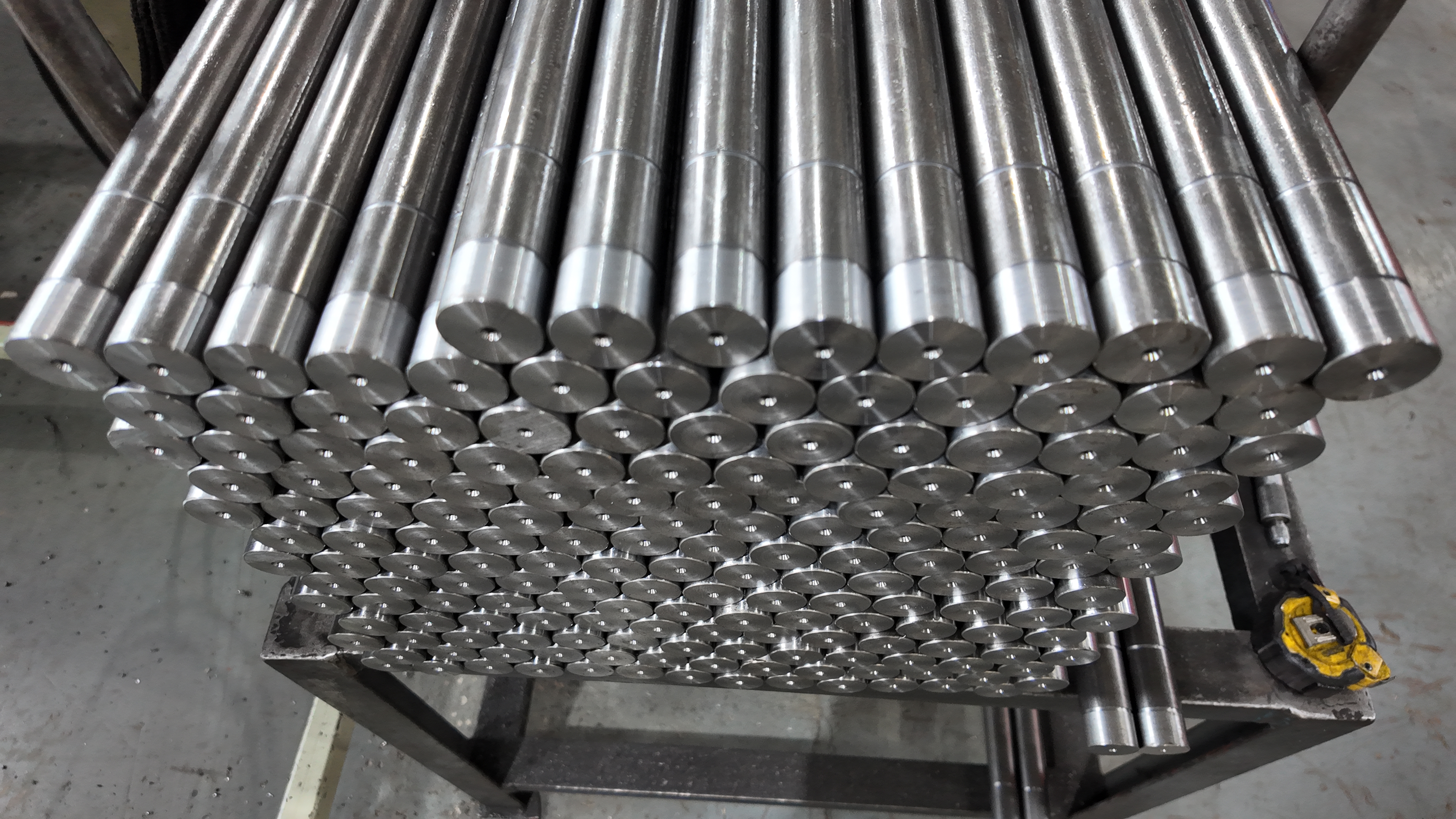
2.In-Depth Analysis of Three Mainstream Materials and Condition Matching
(1)45# Steel (Medium Carbon Steel): The Economic Basic Option
45# Steel is the most general-purpose material in mechanical manufacturing, offering good machinability and significant cost advantages.
Performance Characteristics: Moderate strength, but relatively average hardenability and fatigue resistance.
Applicable Conditions (Light/Medium Load):
Short conveying distances and low belt speeds (V < 2m/s).
Stable indoor environments without severe impact, such as grain processing or light industrial packaging lines.
Return idlers (bottom rollers) of conveyors.
Selection Advice: For non-critical production lines or budget-sensitive projects with mild conditions, 45# Steel is a high cost-performance choice. However, in main mine transport or heavy-duty systems, it carries a high risk of early bending or fracture.
(2)40Cr (Alloy Structural Steel): The Industry's "Standard Answer"
40Cr is currently the mainstream choice for mid-to-high-end idler shafts and is recognized as the industry "standard configuration."
Performance Characteristics: After quenching and tempering (Q&T), the comprehensive mechanical properties of 40Cr are significantly superior to 45# Steel. It possesses higher yield strength (resistant to bending) and excellent impact toughness (resistant to brittle fracture), with vastly improved fatigue resistance.
Applicable Conditions (Medium/Heavy Load):
Continuous operation systems in coal mines, metal mines, and port bulk handling.
Areas subject to frequent start-stops or moderate impact loads.
Carrying idlers (top rollers) and high-stress redirection areas.
Selection Advice: If you are unsure about the severity of the conditions, or if you seek long-term system stability, 40Cr is the safest default option. It provides a safety margin several times that of 45# Steel with only a limited increase in cost.
(3)42Cr (High-Strength Alloy Steel): The "Safety Line" for Extreme Conditions
42Cr (typically referring to the 42CrMo series) represents a higher material grade, designed to meet rigorous challenges.
Performance Characteristics: Possesses extremely high yield strength and fatigue limits. In the heat treatment of large cross-section shafts, it offers better uniformity of performance, capable of withstanding extreme alternating loads without developing fatigue cracks.
Applicable Conditions (Heavy Load/Critical):
Main conveyor lines with long distances and large volumes (Belt Width B ≥ 1200mm).
Loading points with high drop heights and impact from large material lumps.
Critical production links with "Zero Downtime" requirements (scenarios where downtime losses are huge).
Selection Advice: Although 42Cr has the highest material and processing costs, in high-risk conditions, it effectively prevents catastrophic shutdowns caused by broken shafts. For conventional conditions, using 42Cr might be "performance overkill," but for critical nodes, it is necessary insurance.
3. Decision Guide: How to Balance Cost and Performance?
To assist procurement and engineering personnel in making quick decisions, we summarize the following selection logic:
Look at Impact: If the material particle size is large and the drop height is significant, immediately rule out 45# Steel and prioritize 40Cr or 42Cr.
Look at Bandwidth & Volume: If the belt width exceeds 1.2 meters or it is a long-distance conveyor, the risk of shaft bending increases dramatically; it is recommended to start with 40Cr and upgrade to 42Cr for critical parts.
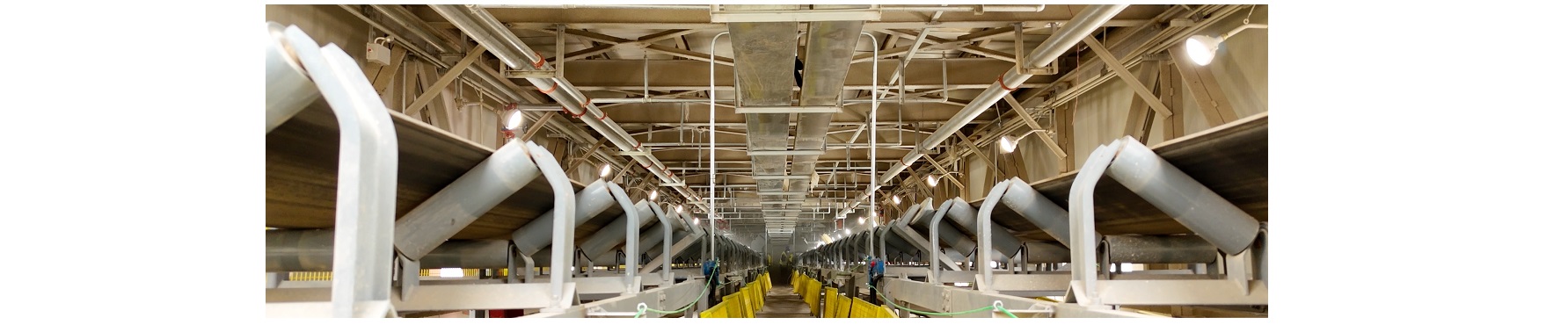
Look at Maintenance Costs: If the equipment is located in high-altitude galleries, underground, or other areas where changing idlers is difficult and the labor cost far exceeds the cost of the idler itself, be sure to choose 40Cr or 42Cr to exchange a "one-time investment" for a "maintenance-free" cycle.
Conclusion
There is no absolute "best" choice for idler shaft material, only the "most suitable."
45# Steel wins on cost, suitable for light loads;
40Cr wins on balance, making it the ideal standard for most industrial scenarios;
42Cr wins on reliability, serving as a solid guarantee under extreme conditions.
A rational selection strategy is to control costs in non-critical areas and invest generously in core areas. By scientifically matching materials, enterprises can maximize the lifespan of the entire machine and achieve maximum operational efficiency while controlling the procurement budget.
-
Top 5 Belt Conveyor Idler Manufactures in China (2024)
-
A Step-by-Step Guide to Selecting the Right Conveyor Idlers
-
10 basic factors to consider when choosing a suitable conveyor idler
-
What are the reasons for the damage of the conveyor idler?
-
4 Proven Strategies to Enhance Conveyor Idler Efficiency
-
Addressing Radial Runout, Flexibility, and Axial Movement
-
Only one table can help you easily choose the right conveyor idler set

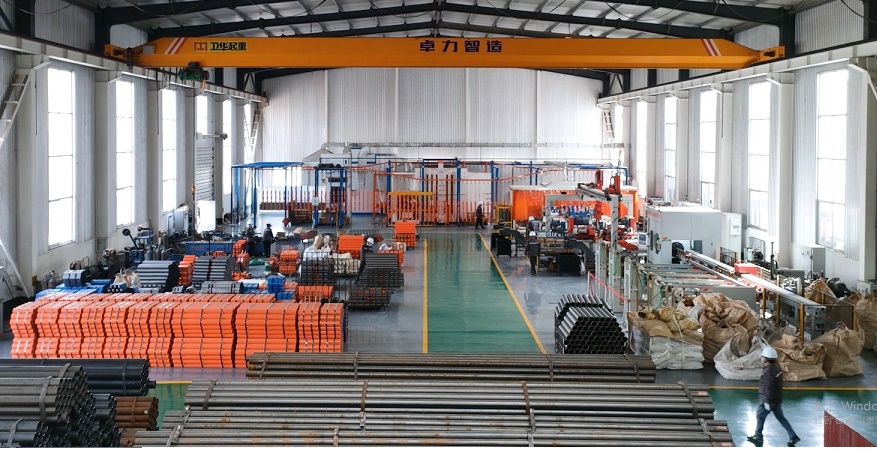
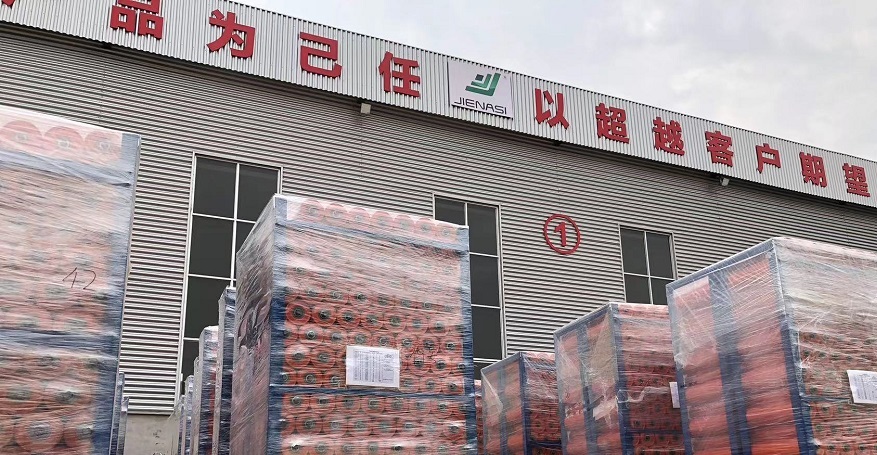
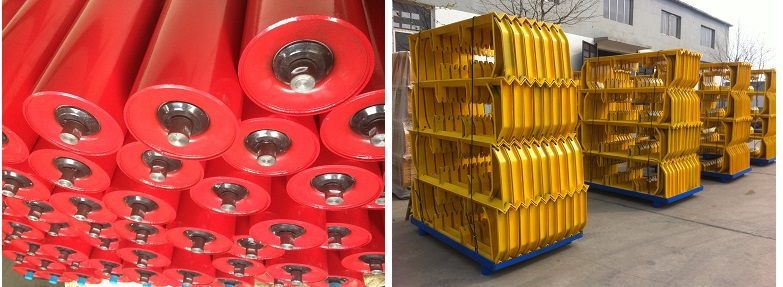
100% Moisture-proof packing that can completely keep roller and bracket from erosion of sea humidity for 90days.
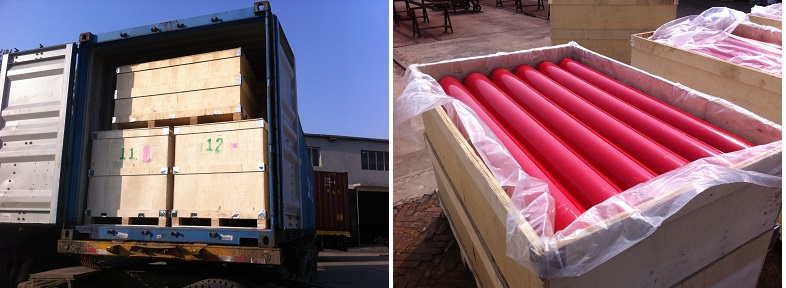
Fast shipping that can reach every corner of the earth in 45days from order!