

In belt conveyor systems, the idler shaft serves as a core load-bearing component, and its operational status is directly linked to the stability of the entire system. Although its structure is relatively simple, in actual operating conditions, the idler shaft withstands complex bending moments and alternating stresses. Field data indicates that failures in idler systems often originate from the shaft. An objective analysis of the failure forms, causes, and their impact on the system is significant for balancing equipment costs with operational reliability.
1. Common Failure Forms of Idler Shafts in Operation
In industrial applications, idler shaft failures typically manifest in the following physical forms:
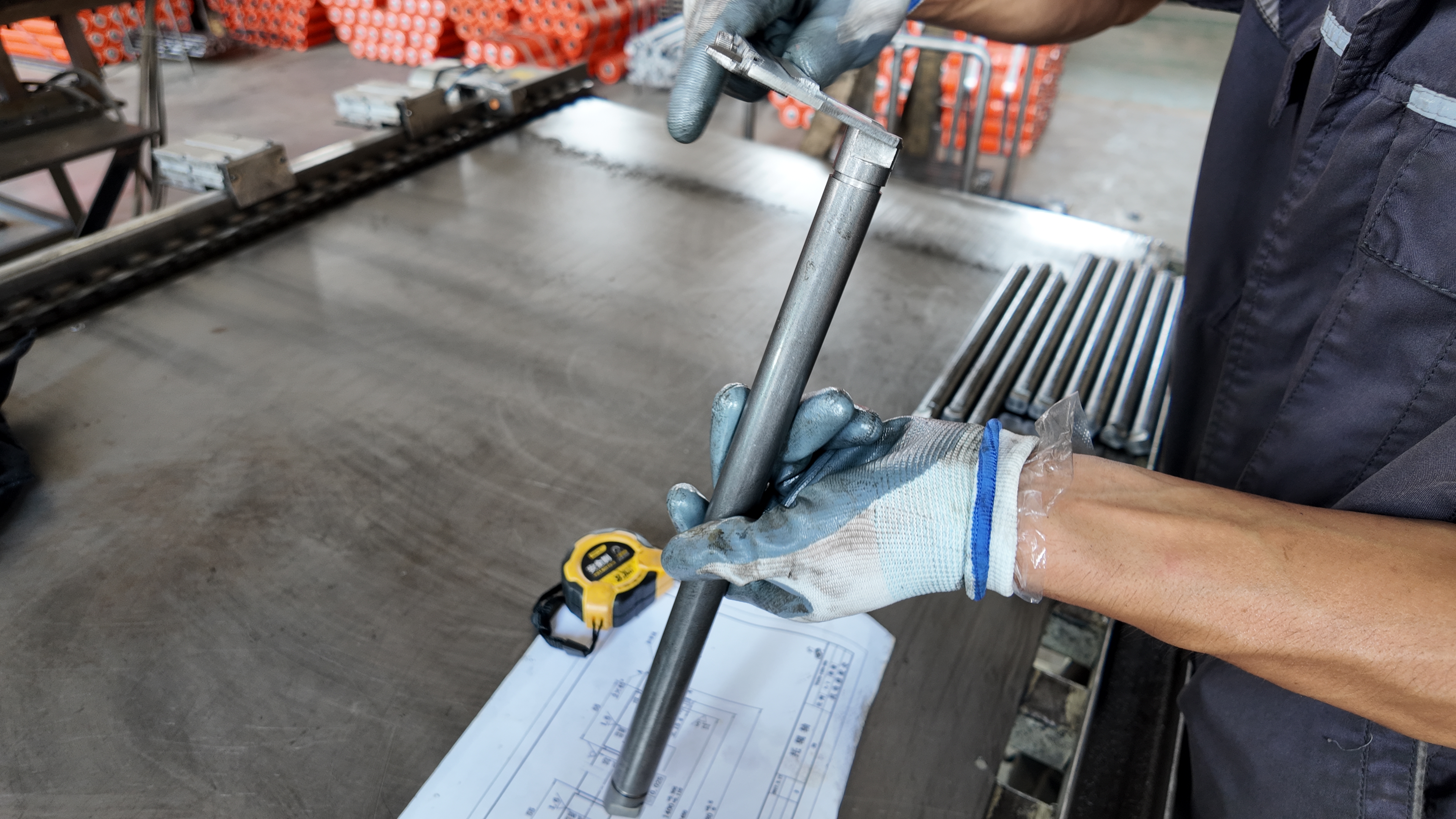
Plastic Deformation (Bending)
When the yield strength of the shaft material is insufficient to resist the superposition of static and dynamic loads under actual conditions, permanent bending deformation occurs. This is commonly seen in long-distance or high-capacity conveying scenarios.
Fatigue Fracture
The idler shaft endures periodic alternating loads during rotation. Even if the stress level is below the material's static strength limit, long-term cyclic stress can initiate internal micro-cracks. Once cracks expand to a critical point, sudden fracture occurs.
Bearing Seat Wear
If the shaft material hardness is insufficient or the heat treatment process is mismatched, the bearing installation area (journal) is prone to fretting wear or deformation (ovalization). The loss of fit precision leads to increased vibration, thereby shortening the bearing's service life.
Sudden Shaft Breakage
Under high impact loads or frequent start-stop conditions, if the design safety factor is insufficient, instantaneous breakage may occur. This is the failure form with the most direct impact on system operation.
2. Engineering Factors Leading to Idler Shaft Failure
The damage to idler shafts is usually the result of multiple coupled factors, primarily including:
Excessive Loads and Tension Fluctuations: Fluctuations in conveying capacity or belt tension exceeding the design range lead to a significant increase in shear forces and bending moments at the bearing seats.
Dynamic Impact Loads: Large material drop heights, uneven feeding, or unstable operation (such as frequent starts/stops) generate instantaneous impacts on the shaft, placing high demands on material toughness.
Fatigue Accumulation Effect: In continuously operating systems, idler shafts must withstand hundreds of millions of stress cycles. The material's fatigue limit is the key parameter determining lifespan.
Mismatch between Material and Conditions: Different conditions (light load, heavy load, corrosive environments, etc.) require different material performance. Failures often stem from materials failing to meet specific operational requirements rather than quality issues with the material itself.
3. Impact of Idler Shaft Failure on Operational Systems
The consequences of idler shaft failure are not limited to component replacement but also affect system operations:
Unplanned Downtime: Fracture of idler shafts in critical positions can lead to conveyor line shutdowns, affecting production continuity.
Risk of Belt Damage: Shaft deformation or fracture changes the geometric position of the idler set, potentially causing belt deviation or edge wear.
Maintenance Cost Structure: Frequent failures increase spare parts consumption and maintenance man-hours. In difficult-to-maintain areas (such as high-altitude galleries), repair work also involves certain safety risks.
4. Cost-Benefit Based Selection Suggestions
Idler shaft selection is essentially a process of finding a balance point between performance, reliability, and cost.
Condition Grading Assessment
Not all conditions require high-strength alloy steel. For light-load, low-speed, and short-distance systems, standard carbon steel usually offers better cost-performance. Blindly pursuing high-performance materials results in unnecessary cost waste.
Total Cost of Ownership Consideration
In critical conditions with heavy loads, high impacts, or extremely high maintenance costs, although the initial procurement cost of high-performance materials (such as alloy steel) is higher, their superior fatigue strength and yield strength help reduce downtime frequency and maintenance input. In these cases, increasing the initial investment helps lower the total cost over the full life cycle.
Differentiated Configuration
It is recommended to apply differentiated configurations for different sections of the conveyor line. For example, use high-strength shafts in high-impact areas like loading points, and standard shafts in ordinary load-bearing sections to achieve the optimal technical and economic solution.
Conclusion
Most idler shaft failures have traceable engineering causes. By accurately assessing actual conditions (loads, speed, environment) and combining this with an understanding of material mechanical properties (strength, toughness, fatigue limit), enterprises can make more rational selection decisions. The reasonable goal is not to eliminate all risks or choose the most expensive material, but to select the solution best suited to the current conditions, controlling operational costs reasonably while ensuring production continuity.

Contact: Export Department
Phone: +86 15097752737
Tel: +86 0312 5308005
Company: Baoding Zhuoli Machinery Co.,Ltd
Add: 3934 Tower3,Weilaishi building,Xiongan New Area.Baoding city,China