
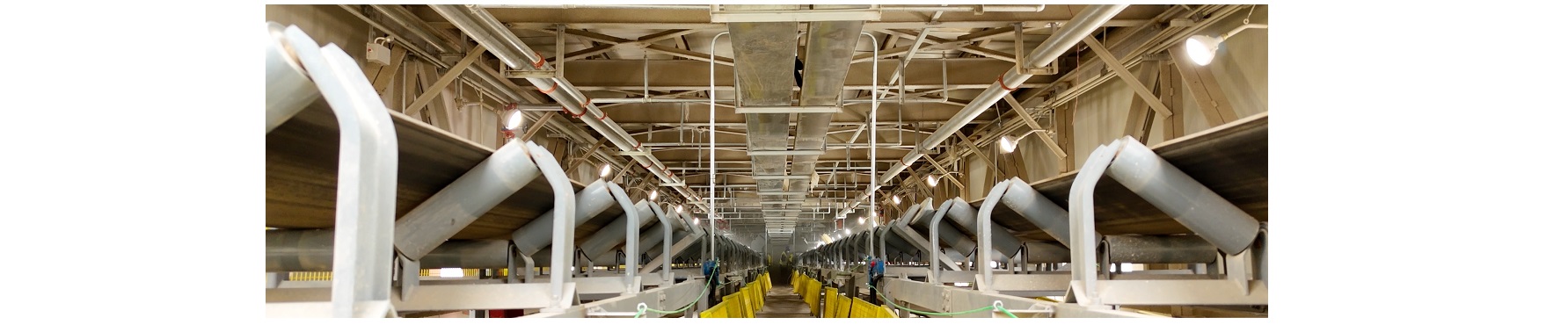

In the mining and aggregate industries, a conveyor pulley failure isn't just a broken component—it is a production stop. Whether it is a copper mine in Chile, a quarry in Vietnam, or a sand processing plant in the UAE, the cost of downtime is calculated in thousands of dollars per hour. We understand that the reliability of a pulley depends entirely on the structural integrity of its shell.
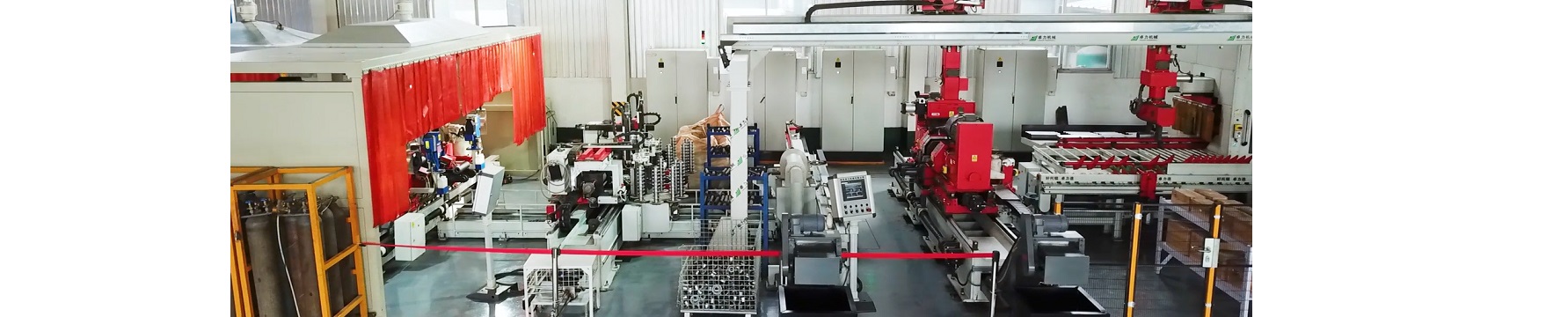
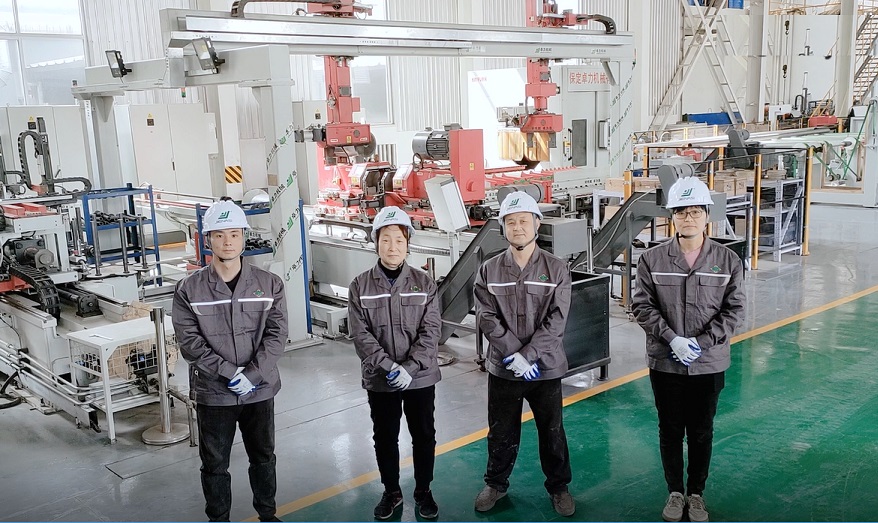
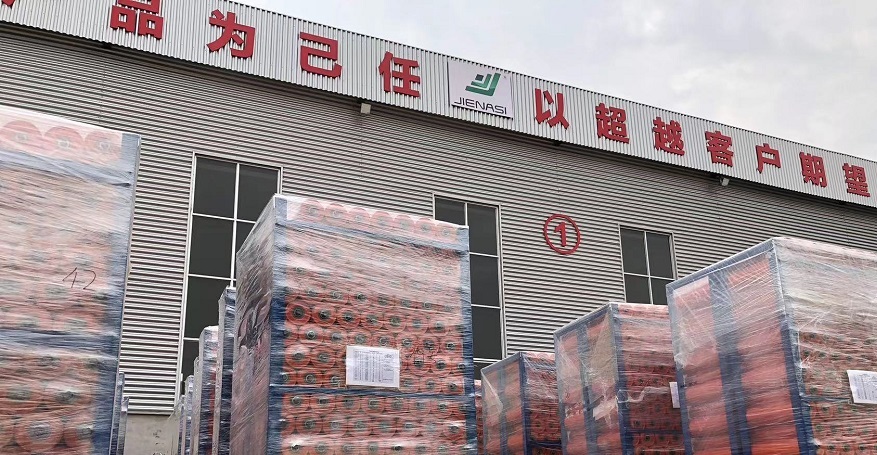
Last week, our production and engineering team conducted a comprehensive audit at our primary heavy-duty pipe manufacturing facility. We went to the source to verify the production process and ensure that the raw materials destined for your conveyor systems meet the strictest international standards.
Here is a report on our findings and our quality control standards.
1. Wall Thickness & Uniformity: Built for Heavy Loads
For industrial applications, specifically in mining and sand & gravel sectors, standard tubes are not sufficient. The conveyor belt tension is immense. If the pipe wall is uneven, the stress distribution becomes unbalanced, leading to shell fatigue and eventual cracking.
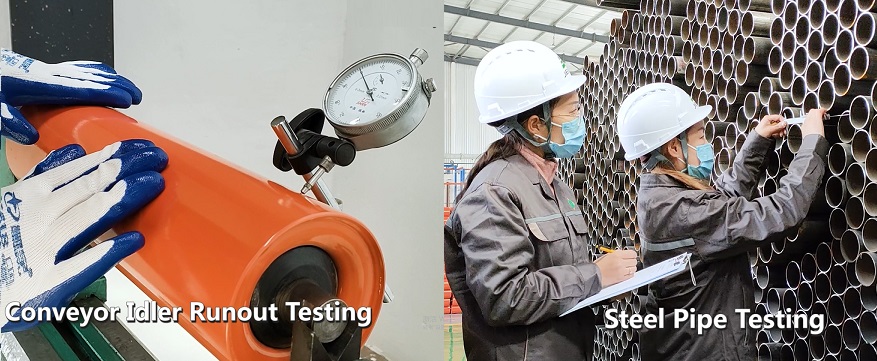
During our factory audit, our team focused heavily on the extrusion and rolling processes of the heavy-wall pipes. We verified that the wall thickness deviation is controlled within strict industrial tolerances.
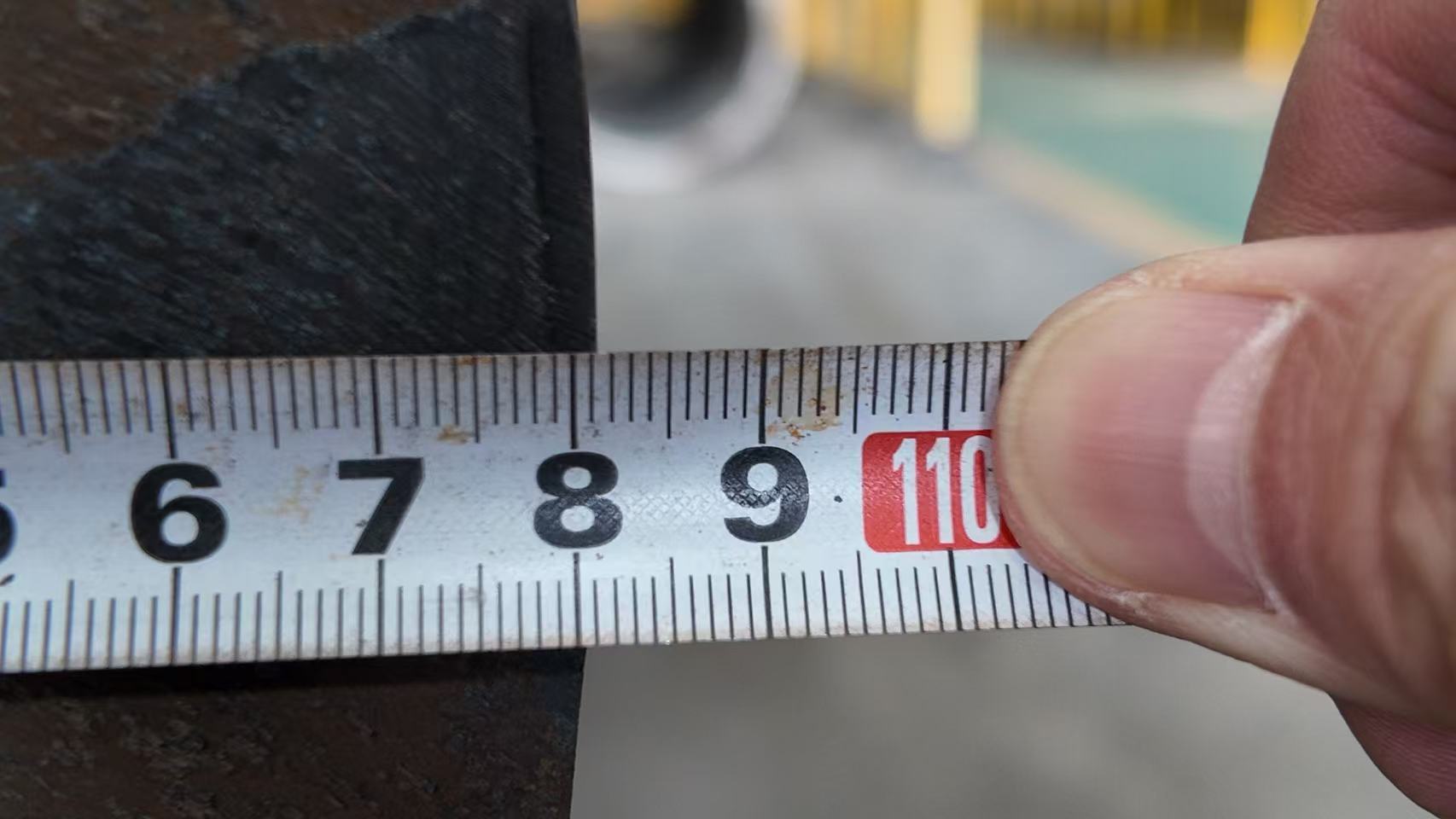
This consistency is critical. Uniform wall thickness ensures that when we machine the pulley (crowning), the pulley remains perfectly balanced dynamically. This is crucial for preventing vibration in high-speed overland conveyors used in large-scale South American mining projects.
2. The Weld Seam: Zero Defect Tolerance
The longitudinal weld of the pipe is often the weakest point in a pulley shell. In the harsh environment of a quarry, any microscopic crack in the weld can expand under constant load and vibration.
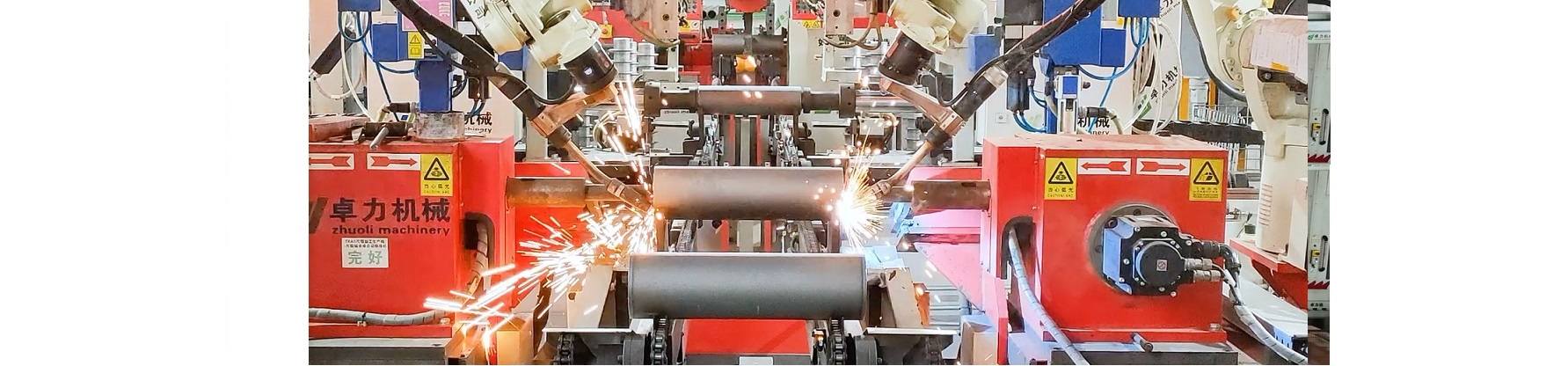
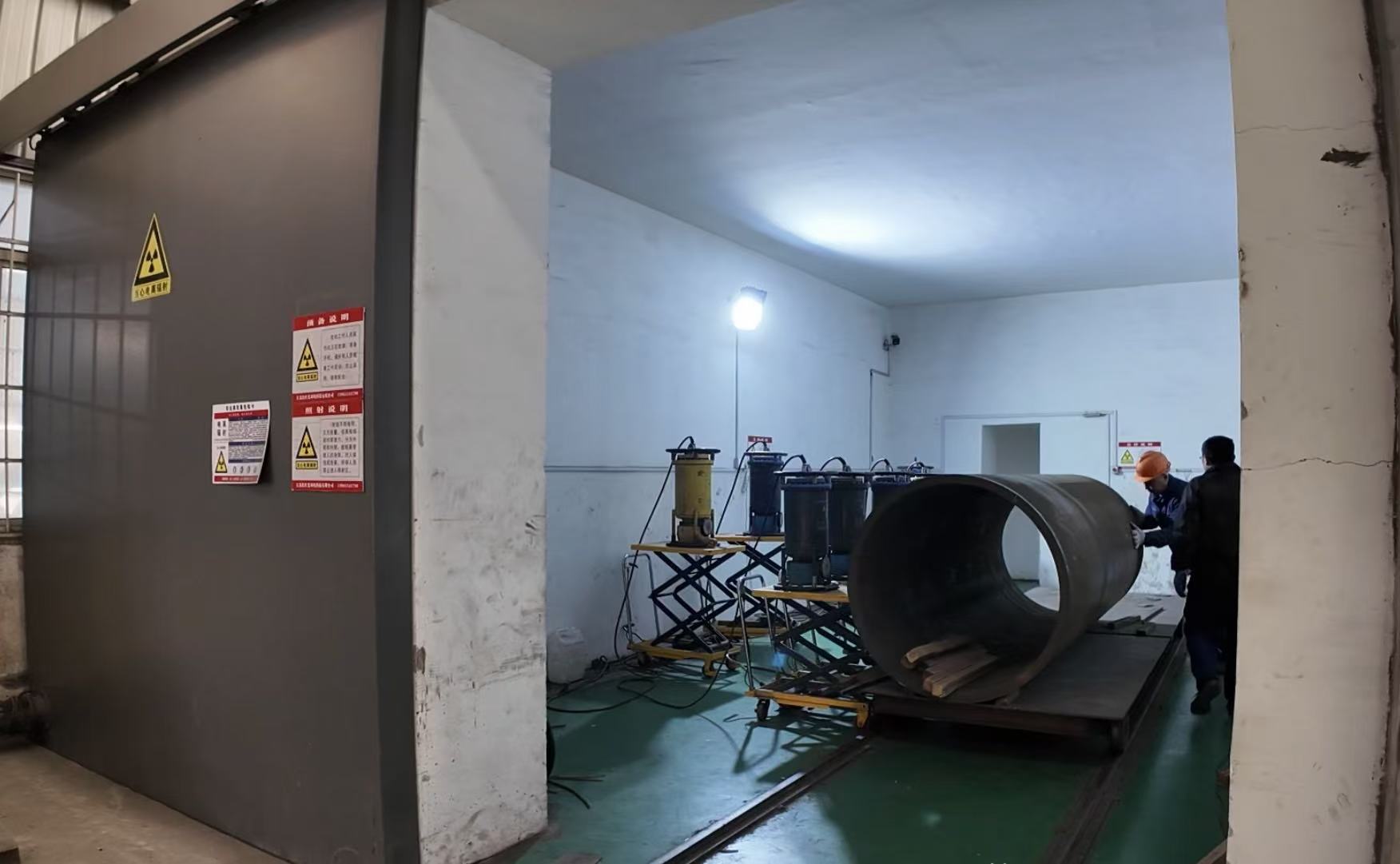
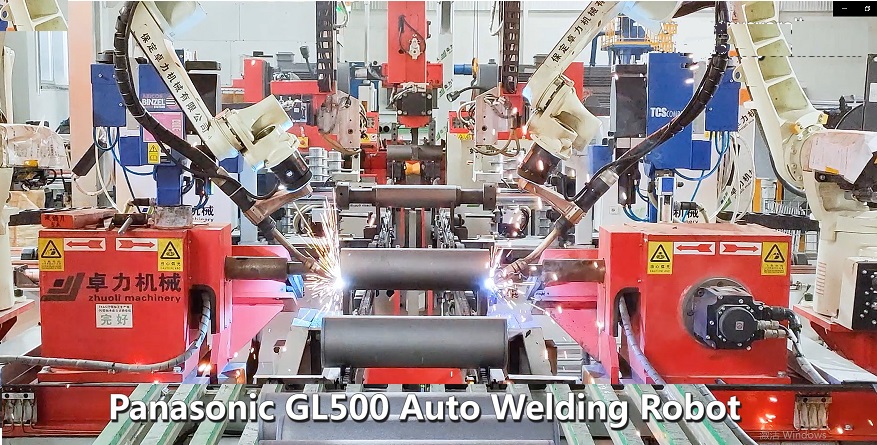
Our team inspected the Submerged Arc Welding (SAW) process used for our raw pipes. We witnessed the Ultrasonic Testing (UT) and X-ray inspection procedures on the production line to ensure 100% penetration and fusion in the weld seams.
For our clients in Southeast Asia’s humid mining regions, this rigorous inspection also means there are no hidden pockets or porosity where corrosion can start from the inside out.
3. Material Composition: Resisting Abrasion and Corrosion
Mining environments are aggressive. Whether it is the saline dust in the Middle East or the abrasive slurry in wet processing plants, the material must resist physical and chemical degradation.
We reviewed the Mill Test Certificates (MTC) directly at the source. We verified that the chemical composition matches ASTM and DIN standards strictly. This validation ensures that the pulley shell maintains its structural strength even after years of exposure to the elements, significantly reducing the frequency of replacement for our partners in the aggregate industry.
Our Commitment to Global Mining Partners
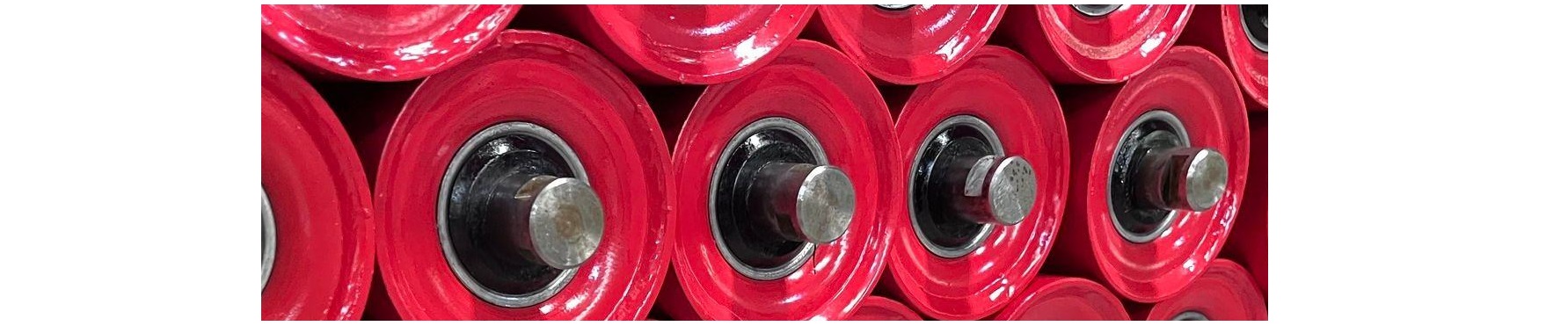
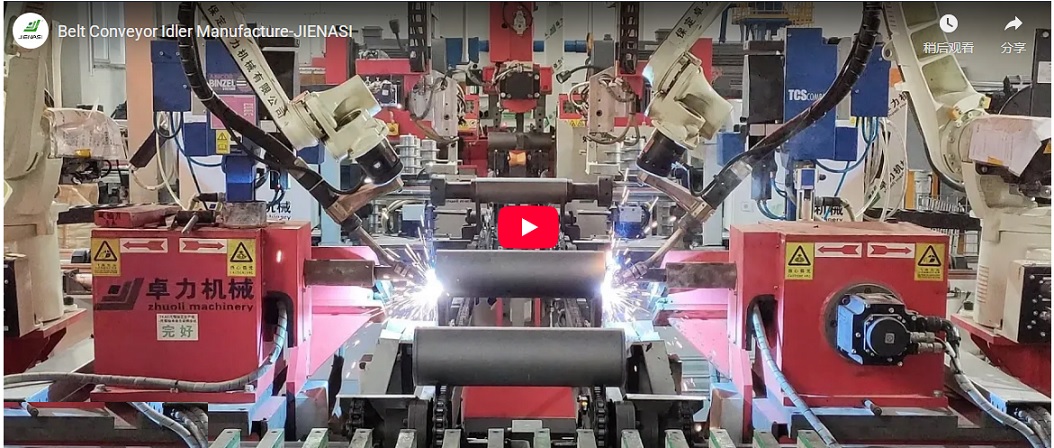
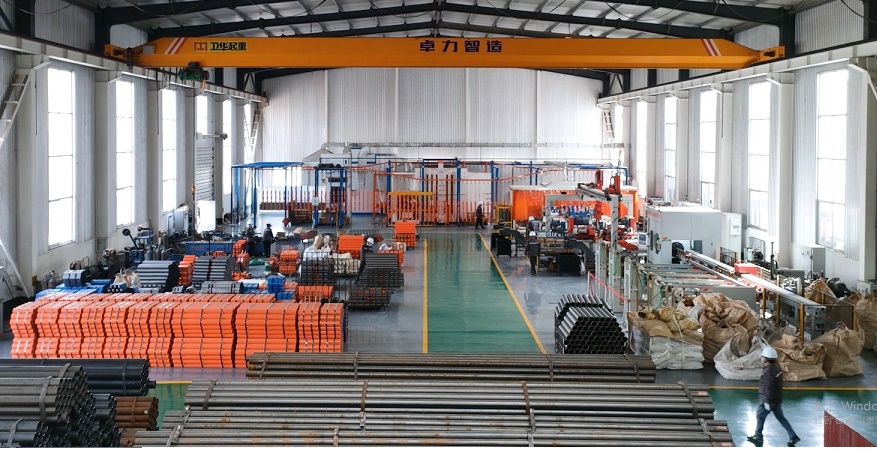
We know that our customers in Peru, Indonesia, and the UAE rely on us not just for a product, but for operational security. This supply chain audit is part of our routine quality assurance. By controlling the quality of the raw pipe, we ensure that the finished Conveyor Pulley—once lagged, balanced, and assembled with shafts—is ready to handle the toughest loads on earth. Do you have a project requiring heavy-duty pulleys for aggressive environments? JIENASI engineering team is ready to analyze your conveyor parameters and propose the most durable solution.

Contact: Export Department
Phone: +86 15097752737
Tel: +86 0312 5308005
Company: Baoding Zhuoli Machinery Co.,Ltd
Add: 3934 Tower3,Weilaishi building,Xiongan New Area.Baoding city,China