
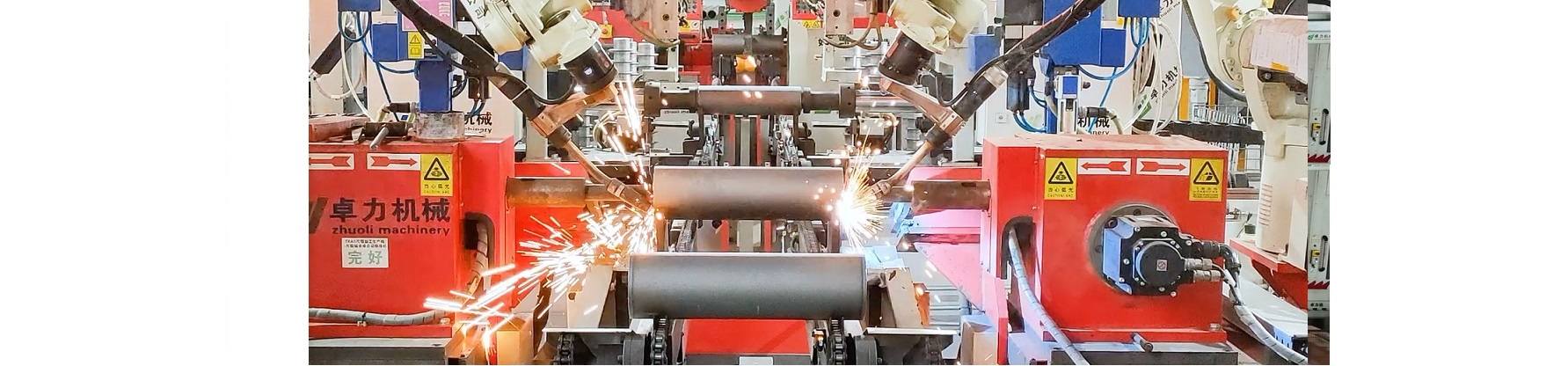
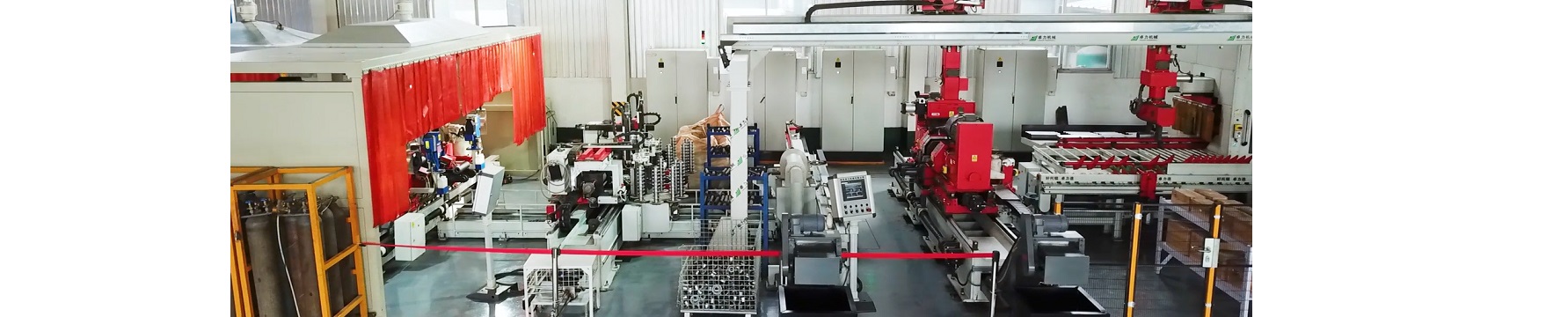
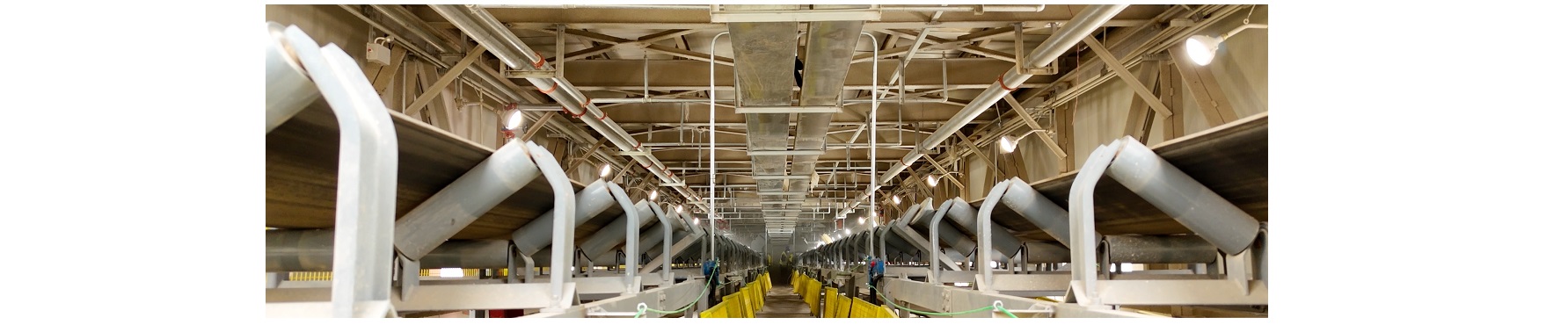


In our previous articles, we shared how our commitment to pulley quality begins long before the final product takes shape. From [visiting our suppliers to ensure the structural integrity of the pulley tube during forming] to [conducting rigorous visual and color-grade inspections immediately after welding], we monitor every step.
But when it comes to heavy-duty industrial pulleys, looking good on the outside isn’t enough. Before a pulley moves on to heat treatment (for stress relief) and the final installation of its shafts, we must be absolutely certain that the internal structure of the welds is flawless.
To do this, we employ two highly advanced Non-Destructive Testing (NDT) methods: Ultrasonic Testing (UT) and X-ray Testing (RT). Here is an inside look at how these procedures work, their specific functions, and why they are vital to the lifespan of your pulleys.
1. Ultrasonic Testing (UT): The "Sonar" for Weld Integrity
The Procedure:
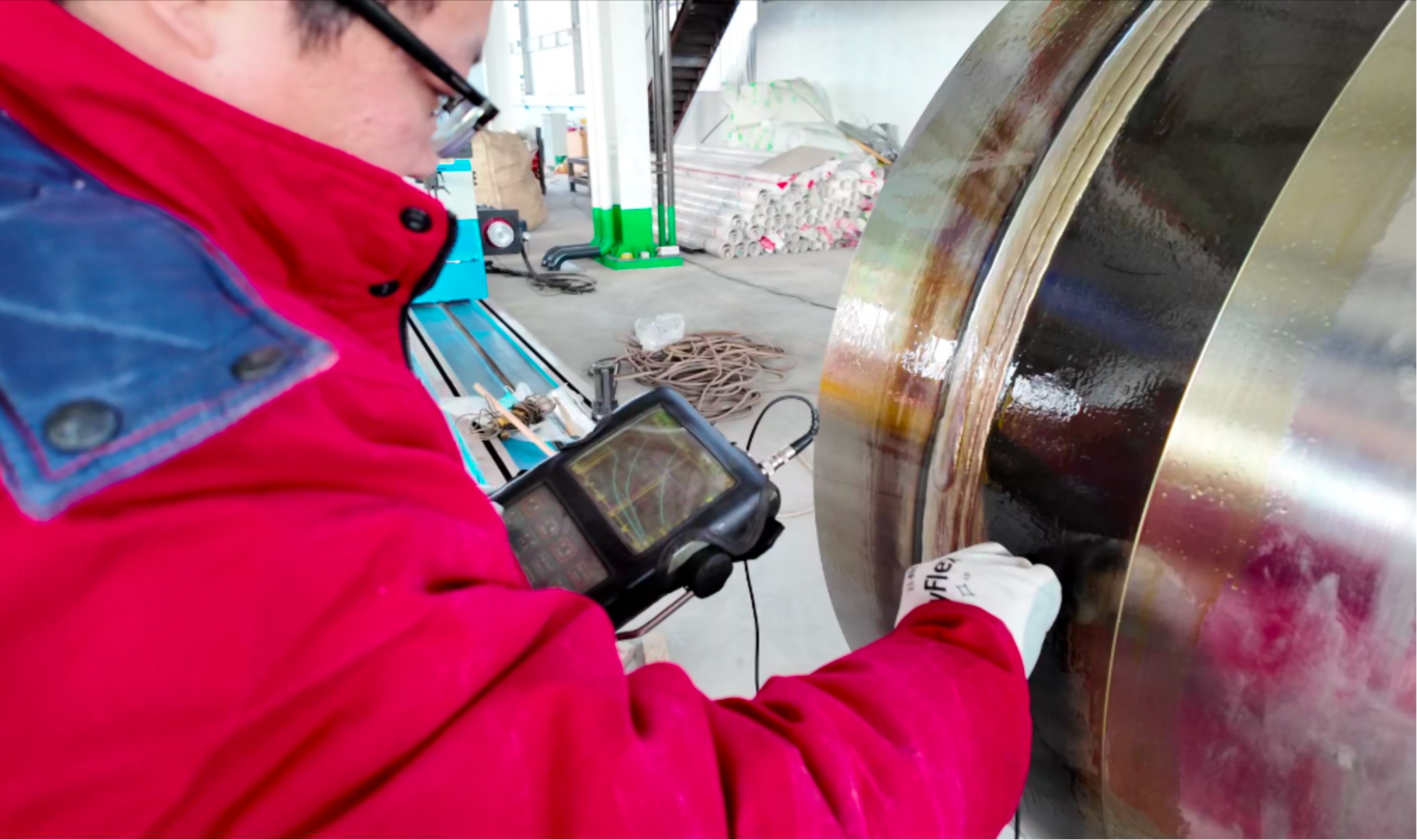
Ultrasonic Testing works very much like a submarine’s sonar or a medical ultrasound. A highly trained technician sweeps a small probe across the surface of the pulley near the weld. This probe emits high-frequency sound waves directly into the steel. If the steel is solid, the sound waves travel straight through. However, if the sound wave hits an internal flaw, it bounces back, creating an "echo" that is displayed on the technician's monitor.
Its Function:
UT is exceptionally good at finding deep, planar (flat) defects hidden inside the metal. Specifically, we use it to detect:
Internal cracks: Microscopic fractures that could expand under heavy loads.
The Significance:
Pulleys endure immense tension and continuous rotational stress. Even a microscopic internal crack can lead to a catastrophic failure over time. Ultrasonic Testing gives us instantaneous, highly accurate feedback about the structural depth of the weld, ensuring it has the solid foundation required to withstand continuous industrial use.
2. X-ray Testing (RT): The "Medical Image" of the Steel
The Procedure:
Also known as Radiographic Testing, this method is exactly what it sounds like—an X-ray for steel. An X-ray source is positioned on one side of the pulley weld, and a special photographic film or digital sensor is placed on the opposite side. Radiation passes through the metal to create an image. Because flaws are less dense than solid steel, more radiation passes through them, causing them to show up as darker spots or shadows on the final image.
Its Function:
While UT is perfect for finding flat cracks, X-ray Testing excels at finding "volumetric" flaws—defects that take up 3D space inside the weld. We use RT to identify:
Porosity: Tiny trapped gas bubbles that form during the welding process.
Slag Inclusions: Small bits of non-metallic debris trapped inside the weld pool before it cooled.
The Significance:
Trapped gas bubbles or slag act like weak links in a chain. By taking X-rays, we can literally see inside the weld and verify its density and purity. Furthermore, RT provides a permanent visual record (the X-ray film or digital file) of the weld’s internal quality, providing unarguable proof of manufacturing excellence.
Why We Use Both: A Comprehensive Safety Net
You might wonder: If X-rays are so effective, why use Ultrasonic Testing as well?
The answer lies in thoroughness. UT and RT have different strengths. X-rays are fantastic for spotting round gas bubbles but might miss a very tight, flat crack if the angle isn't perfect. Conversely, Ultrasound is brilliant at finding those tight, flat cracks, but doesn't provide the clear visual map of porosity that an X-ray does.
By combining UT and RT, we eliminate all blind spots. The visual surface inspection confirms the outside is perfect, and the UT/RT combination guarantees the inside is flawless.
Looking Ahead to the Next Steps
Only after a pulley has successfully passed both Ultrasonic and X-ray testing do we allow it to proceed to the next critical phases: thermal heat treatment (to relieve residual stresses built up during welding) and the precision installation of the shafts.
By testing the welds before these final steps, we ensure that the pulley shell is structurally sound enough to undergo the intense heat treatment process and strong enough to transfer torque efficiently once the shaft is fitted.
At JIENASI, we don't just build heavy-duty pulleys; we engineer peace of mind. By looking beyond the surface, we guarantee a product that will keep your operations running smoothly, safely, and efficiently for years to come.

Contact: Export Department
Phone: +86 15097752737
Tel: +86 0312 5308005
Company: Baoding Zhuoli Machinery Co.,Ltd
Add: 3934 Tower3,Weilaishi building,Xiongan New Area.Baoding city,China